Exploring New Crypto Tokens: The Next Big Thing in Cryptocurrency

The cryptocurrency market is constantly evolving, with new tokens emerging regularly to challenge the status quo. These new crypto tokens often bring innovative features, unique use cases, and the potential for significant returns on investment. If you’re interested in staying ahead of the curve and exploring the latest developments in the crypto world, read on to learn about some of the most exciting new crypto tokens.

What are Crypto Tokens?

Crypto tokens are digital assets created on existing blockchain platforms. Unlike coins such as Bitcoin and Ethereum, which operate on their own blockchains, tokens leverage the infrastructure of another blockchain. These tokens can represent a variety of assets, including utility tokens, security tokens, and stablecoins. They often serve specific purposes within their respective ecosystems, such as accessing services, participating in governance, or representing ownership in a project.

Why New Crypto Tokens Matter

New crypto tokens are essential for the growth and diversification of the cryptocurrency market. They drive innovation, attract new users, and provide fresh investment opportunities. Here are a few reasons why new tokens are worth paying attention to:

• Innovation: New tokens often introduce groundbreaking technologies and solutions to existing problems.

• Investment Potential: Early investors in new tokens can potentially reap significant rewards if the projects succeed.

• Diverse Use Cases: Tokens can serve various purposes, from powering decentralized finance (DeFi) platforms to enabling non-fungible token (NFT) marketplaces.

Top New Crypto Tokens to Watch

Here are some of the most promising new crypto tokens that have recently entered the market:

  1. Arbitrum (ARB)

Overview: Arbitrum is a layer-2 scaling solution for Ethereum, designed to improve the speed and reduce the cost of transactions on the Ethereum network. The ARB token is used for governance within the Arbitrum ecosystem.

Why It’s Exciting: With Ethereum’s scalability issues, layer-2 solutions like Arbitrum are becoming increasingly important. ARB has gained traction due to its potential to significantly enhance Ethereum’s usability.

  1. Cardano (ADA)

Overview: Cardano is a blockchain platform focused on providing a secure and scalable infrastructure for the development of decentralized applications (dApps). Its native token, ADA, is used for transactions and staking within the network.

Why It’s Exciting: Cardano’s research-driven approach and emphasis on security and scalability make it a strong contender in the blockchain space. Recent upgrades have positioned Cardano as a robust platform for future development.

  1. Polkadot (DOT)

Overview: Polkadot is a multi-chain network that enables different blockchains to interoperate. The DOT token is used for governance, staking, and bonding on the Polkadot network.

Why It’s Exciting: Polkadot’s ability to connect multiple blockchains opens up new possibilities for decentralized applications and services. Its innovative approach to interoperability sets it apart from other projects.

  1. Avalanche (AVAX)

Overview: Avalanche is a high-performance blockchain platform designed for decentralized applications and enterprise blockchain deployments. The AVAX token is used for transaction fees, staking, and governance.

Why It’s Exciting: Avalanche’s consensus protocol promises high throughput and low latency, making it an attractive option for developers looking to build scalable dApps.

  1. Solana (SOL)

Overview: Solana is a fast, secure, and censorship-resistant blockchain providing the open infrastructure required for global adoption. The SOL token is used for transaction fees and staking within the network.

Why It’s Exciting: Solana’s focus on high-speed and low-cost transactions has garnered significant attention, positioning it as a formidable competitor to Ethereum.

How to Evaluate New Crypto Tokens

Investing in new crypto tokens can be rewarding, but it’s essential to conduct thorough research. Here are some factors to consider:

• Team: Investigate the team behind the project. Look for experienced developers, advisors, and a strong community.

• Technology: Understand the technology and how it differentiates from existing solutions. Check if it addresses real-world problems.

• Use Case: Assess the token’s use case and potential market demand. Ensure it has practical applications.

• Partnerships: Look for partnerships and collaborations that can enhance the project’s credibility and reach.

• Roadmap: Review the project’s roadmap and milestones. A clear, achievable plan is crucial for long-term success.

Conclusion

The world of new crypto tokens is dynamic and full of opportunities. Staying informed about the latest developments can help you make better investment decisions and stay ahead in the ever-evolving cryptocurrency market. As always, conduct thorough research and consider seeking advice from financial experts before investing in any new tokens.

By staying informed and proactive, you can navigate the exciting world of new crypto tokens and potentially discover the next big thing in cryptocurrency. Happy investing!
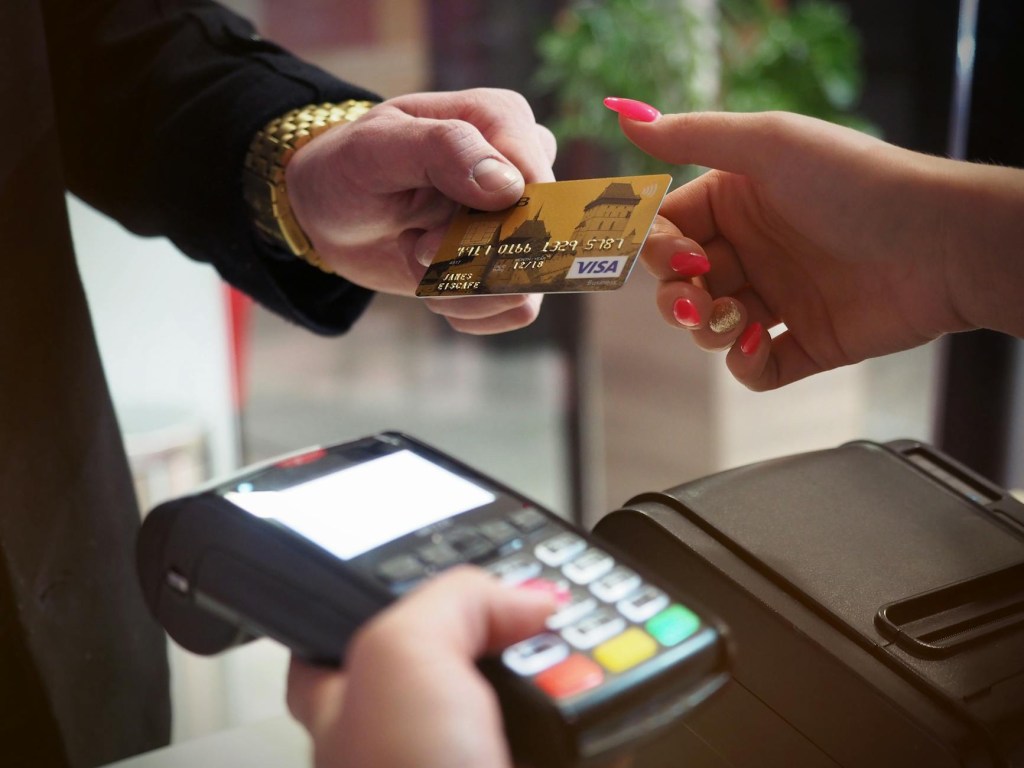

Understanding Credit Scores and How to Improve Yours

Credit scores play a crucial role in your financial life. They affect your ability to get loans, credit cards, and even influence rental applications and job opportunities. Understanding your credit score and knowing how to improve it can open doors to better financial opportunities. Here’s what you need to know.

What is a Credit Score?

A credit score is a numerical representation of your creditworthiness, ranging from 300 to 850. It’s calculated based on your credit history, which includes factors like payment history, credit utilization, length of credit history, new credit accounts, and credit mix. The most commonly used credit score model is the FICO score.

Why is a Good Credit Score Important?

A good credit score can:

• Lower Interest Rates: Higher scores often qualify for lower interest rates on loans and credit cards.

• Improve Loan Approval Chances: Lenders are more likely to approve loans for individuals with higher scores.

• Enhance Renting Options: Landlords often check credit scores during the rental application process.

• Reduce Insurance Premiums: Some insurance companies use credit scores to determine premiums.

How is Your Credit Score Calculated?

Understanding the factors that influence your credit score is key to improving it. Here’s a breakdown:

1. Payment History (35%): Timely payments on credit cards, loans, and other debts are crucial. Late or missed payments can significantly lower your score.

2. Credit Utilization (30%): This is the ratio of your current credit card balances to your credit limits. Keeping your credit utilization below 30% is recommended.

3. Length of Credit History (15%): A longer credit history can boost your score. It considers the age of your oldest account, newest account, and the average age of all your accounts.

4. Credit Mix (10%): A diverse mix of credit accounts (credit cards, installment loans, mortgages) can positively impact your score. 5. New Credit (10%): Opening several new credit accounts in a short period can be seen as risky and lower your score.

Steps to Improve Your Credit Score

Improving your credit score takes time and consistent effort. Here are some actionable steps:

  1. Check Your Credit Report

Start by obtaining a copy of your credit report from the three major credit bureaus (Equifax, Experian, and TransUnion). You’re entitled to a free report from each bureau every 12 months through AnnualCreditReport.com. Review your report for errors and dispute any inaccuracies.

  1. Pay Your Bills on Time

Your payment history has the most significant impact on your credit score. Set up reminders or automatic payments to ensure you never miss a due date. If you’ve missed payments in the past, focus on making timely payments moving forward.

  1. Reduce Your Credit Card Balances

Lowering your credit utilization ratio can quickly improve your score. Aim to keep your credit card balances below 30% of your credit limits. If possible, pay off your balances in full each month.

  1. Avoid Opening Too Many New Accounts

While it’s good to have a diverse credit mix, opening several new accounts in a short period can negatively impact your score. Each application results in a hard inquiry, which can lower your score by a few points.

  1. Keep Old Accounts Open

The length of your credit history matters, so keeping older accounts open can be beneficial. Even if you’re not using an old credit card, keeping it active can help improve your score.

  1. Consider a Secured Credit Card

If you’re struggling to improve your score due to a lack of credit history, a secured credit card can be a good option. These cards require a security deposit, which acts as your credit limit. Use the card responsibly to build your credit history.

  1. Monitor Your Credit Regularly

Regularly monitoring your credit score and report can help you stay on top of your credit health. Many financial institutions and credit card issuers offer free credit score tracking tools.

Conclusion

Improving your credit score is a gradual process that requires patience and consistent effort. By understanding the factors that influence your score and taking proactive steps to address them, you can enhance your creditworthiness and unlock better financial opportunities. Remember, good credit is a valuable asset that can make a significant difference in your financial life.

By following these steps and maintaining good credit habits, you can improve your credit score and enjoy the benefits that come with it. Start today and take control of your financial future.

The Best Side Hustles to Boost Your Income

In today’s fast-paced world, having a side hustle can be a game-changer. Whether you’re looking to pay off debt, save for a big purchase, or simply increase your financial security, a side hustle can provide the eextra income you need. Here are some of the best side hustles to consider:

  1. Freelancing

Overview: Freelancing offers a flexible way to earn money using your existing skills. Whether you’re a writer, graphic designer, web developer, or social media manager, there are numerous platforms like Upwork, Fiverr, and Freelancer where you can find gigs.

Pros:

•   Flexibility to choose projects
•   Work from anywhere
•   Potential to turn into a full-time business

Cons:

•   Income can be inconsistent
•   Requires self-discipline and time management
  1. Online Tutoring

Overview: If you excel in a particular subject, online tutoring can be a lucrative side hustle. Platforms like VIPKid, Chegg Tutors, and Tutor.com connect tutors with students worldwide.

Pros:

•   High demand for tutors in subjects like math, science, and English
•   Flexible hours
•   Opportunity to make a positive impact

Cons:

•   Requires a strong understanding of the subject matter
•   May need to work during peak tutoring times
  1. Ridesharing and Delivery Services

Overview: Companies like Uber, Lyft, DoorDash, and Instacart offer flexible opportunities to earn money by driving passengers or delivering food and groceries.

Pros:

•   Flexible hours
•   Instant payout options
•   Easy to get started

Cons:

•   Wear and tear on your vehicle
•   Variable income depending on demand and location
  1. Blogging and Affiliate Marketing

Overview: If you have a passion for writing and a niche you’re knowledgeable about, blogging can be a great side hustle. Monetize your blog through affiliate marketing, sponsored posts, and ad revenue.

Pros:

•   Passive income potential
•   Ability to work from anywhere
•   Opportunity to build a personal brand

Cons:

•   Takes time to build an audience and start earning
•   Requires consistent content creation and marketing
  1. Selling Handmade Crafts or Products

Overview: If you’re crafty or have a knack for creating products, selling on platforms like Etsy, Amazon Handmade, or eBay can be a profitable venture.

Pros:

•   Turn a hobby into income
•   Reach a global audience
•   Flexibility to create and sell at your own pace

Cons:

•   Requires inventory management
•   Time-consuming to create products
  1. Real Estate Investing

Overview: Real estate investing can be a more hands-on side hustle but offers significant income potential. Consider options like rental properties, house flipping, or real estate crowdfunding.

Pros:

•   Potential for high returns
•   Passive income through rental properties
•   Diversifies your investment portfolio

Cons:

•   Requires a significant upfront investment
•   Involves ongoing property management
  1. Pet Sitting and Dog Walking

Overview: If you love animals, pet sitting and dog walking can be a fun and rewarding side hustle. Services like Rover and Wag! make it easy to connect with pet owners in need of help.

Pros:

•   Flexible hours
•   Get paid to spend time with animals
•   High demand in urban areas

Cons:

•   Requires physical activity
•   May need to accommodate pet owners’ schedules
  1. Online Surveys and Market Research

Overview: While not a high-paying side hustle, participating in online surveys and market research can provide a steady trickle of extra income. Websites like Swagbucks, Survey Junkie, and Pinecone Research are popular options.

Pros:

•   Easy to start
•   Can be done in your spare time
•   No special skills required

Cons:

•   Low earning potential
•   Can be time-consuming
  1. Remote Customer Service

Overview: Many companies hire remote customer service representatives. If you have strong communication skills and a quiet workspace, this could be a good fit. Check out opportunities on sites like Remote.co and FlexJobs.

Pros:

•   Steady income
•   Work from home
•   Often includes employee benefits

Cons:

•   Requires a quiet workspace
•   Fixed hours may limit flexibility
  1. Renting Out Your Space

Overview: If you have an extra room, a vacation home, or even just a parking spot, renting it out can be a lucrative side hustle. Platforms like Airbnb and Spacer make it easy to list and manage rentals.

Pros:

•   Passive income potential
•   Flexibility to rent out when convenient
•   Utilize unused space

Cons:

•   Requires property management
•   Potential for property damage

Conclusion

Finding the right side hustle depends on your skills, interests, and availability. Whether you’re looking for something flexible, high-paying, or just a way to make some extra cash in your spare time, there’s a side hustle out there for you. Start exploring these options today and boost your income to achieve your financial goals.

Starting with any of these side hustles can help you boost your income and provide financial stability. Choose one that aligns with your skills and interests, and take the first step towards increasing your earnings.

Design a site like this with WordPress.com
Get started